
When “Help” Hurts
I’ve been in and out of psychiatric facilities since I was 15. Getting told by psychiatrists that I’m in crisis, that I need to be locked away for safety. The facilities I’ve encountered have been far from safe. They’re places of trauma masquerading as places for healing.
I know I’m not alone in having such bad experiences. As a peer support specialist and someone who has lived through psychiatric incarceration so many times.
I’ve connected with many people who were locked away, against their will, held captive and dehumanized when they needed compassion and support the most.
I’m writing this post for everyone who has been there. For everyone who hold those traumas with them and struggles to cope with the devastating aftermath of being treated as less than human by people who are supposed to be caring for you. It’s time to speak up, to scream, to speak our truths even when our voices shake. Time to expose what happens inside of these mental hospitals, because “treatment” isn’t what is going on. They are not places of healing but places of hurting. The silence, the fear, the forced compliance at the threat of restraints and being medicated into oblivion— it’s disgusting and the system needs to change.
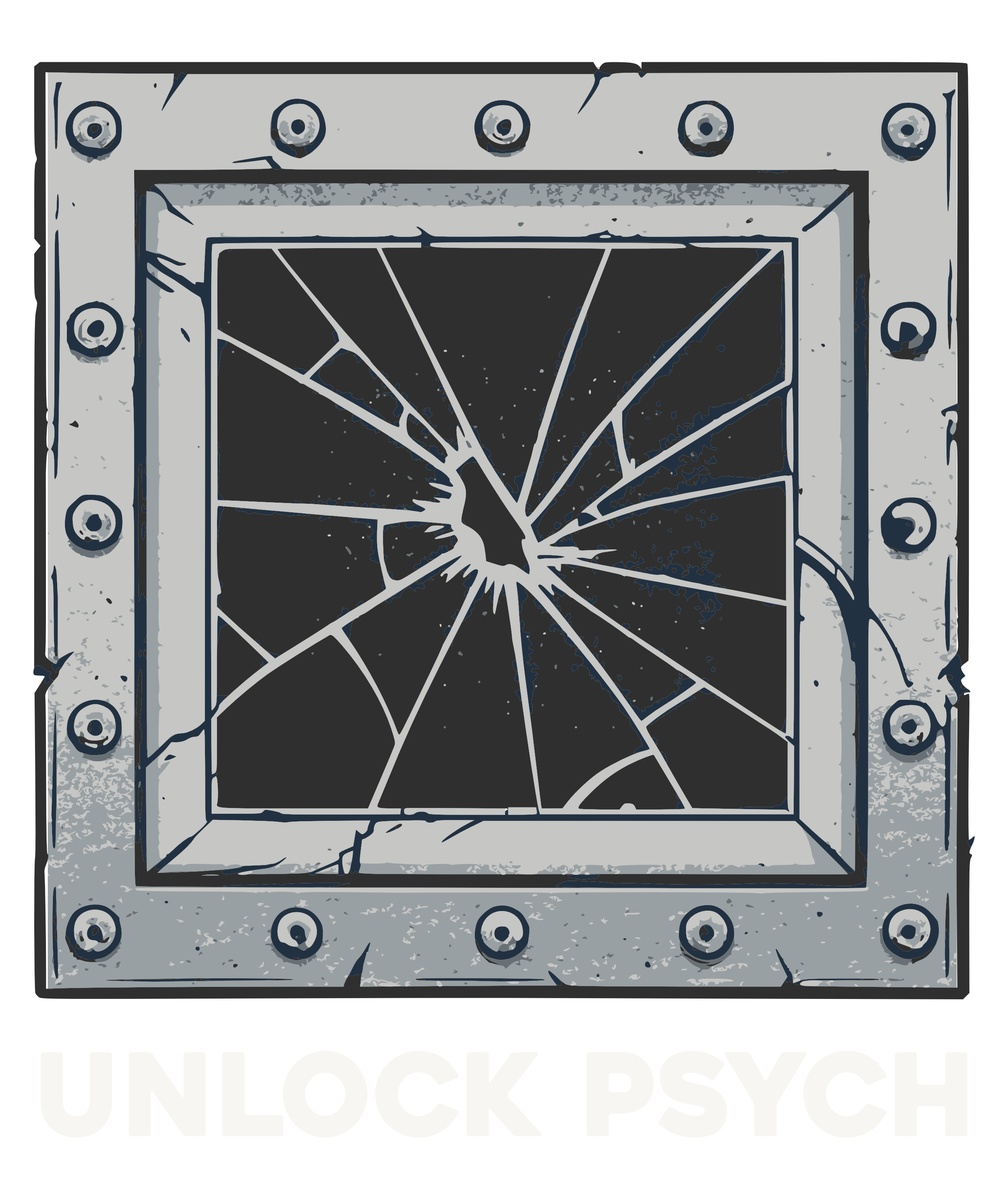
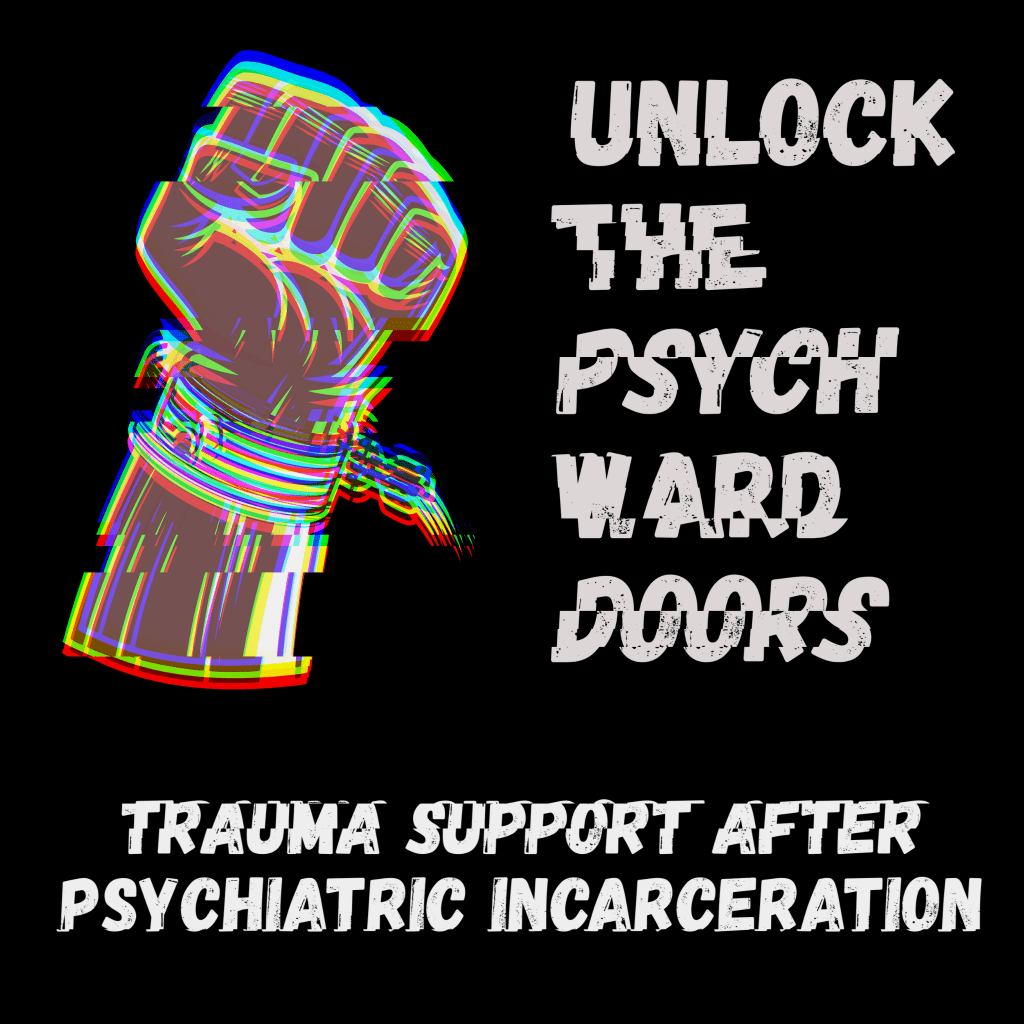
I would like to share both my lived experience and a community resource that I started to support people who have lived through the trauma of forced psychiatric hospitalization. This includes a trauma-informed support group called, Unlock the Psych Ward Doors, which is a group I created on the platform HeyPeers for survivors. I also made a t-shirt for the group, as sometimes reclaiming our stories can include wearing them proudly.
⸻
What Is Psychiatric Incarceration?
Psychiatric incarceration is defined as the involuntary confinement of a person in a mental health facility, often under a legal psychiatric hold. In my state, California, that would be a 5150 hold. There are similar laws all over the world. These holds often happen when a person is evaluated and identified as having one or more of three things going on: when someone is a danger to themselves, a danger to someone else, or is gravely disabled.
For many, these holds feel like a punishment for having mental health challenges, for having and sharing their emotions, I know I’ve felt that way. Instead of comfort and care, I’ve often been in places where there’s aggressive control and absolute disregard for my autonomy. There is almost always zero therapeutic value to the facilities that we end up in. It’s almost always just a place for forced medication management, and then once the behaviors and thoughts that didn’t meet societal constructs are medicated away, you are then let free from your imprisonment.
I do want to clarify that not all psychiatric hospitals are abusive— but most of my experiences have been negative. That is to say that the current mental health system does allow for abuse, neglect and mistreatment to occur without any regard for the patient’s safety.
Having had so much direct lived experience with psychiatric hospitalizations, I want to say this: we need more transparency and trauma-informed alternatives to psychiatric incarceration. There are places like Peer Respite Centers, which are houses or facilities that are run by Peer Support Specialists that are actually defined as alternatives to hospitalization, but they are few and far between.
⸻
Inside the Ward: Toxic Environments & Invisible Scars
The public may envision psychiatric hospitals as a calm, relaxing, supportive space where people receive therapy and are able to process their challenges and heal, where they’re kept safe and are able to feel safe. The reality is, they are underfunded, understaffed, and their main focus is on risk management. They keep people safe by drugging them up to hell and tying them down with hard leather restraints for hours while they beg to be let go. There is no empathy. There is no “safety”.
Sometimes people need to be kept safe from themselves or safe from hurting others, yes, but I have witnessed, countless times, that there is never any attempt at nonviolent communication, de-sescalation or trying to get a person to a sense of safety with compassion or empathy. They go straight to physical, aggressive intervention the moment any person appears unsafe in any way. This instantly creates a hostile situation.
Here’s what I and so many others have experienced:
🔒 Loss of Autonomy
• Stripped of clothing, phones, and even basic dignity
• Forbidden to leave or make decisions about one’s own body and treatment
💊 Forced or Coerced Medication
• Administered without full understanding or consent
• Used as behavioral control, not individualized care
🧍♂️ Isolation & Neglect
• Long hours with no therapeutic engagement
• Patients ignored or punished for “acting out” in distress
😶🌫️ Gaslighting & Disempowerment
• Emotional pain is often dismissed as “noncompliance”
• Speaking up results in further restrictions or medication
As a peer support worker, I’ve heard these stories reiterated so many times by others — often very severe. Many survivors share PTSD-like symptoms, expressing fear of seeking help in the future, and long-term distrust of mental health professionals.
⸻
The Lingering Trauma of Psychiatric Lockdown
Being locked away in a facility — while living through a mental health crisis — is absolutely terrifying. The worst part is what happens afterward: the shame, confusion, and the grief around feeling broken and diminished.
Many of us leave with a new kind of trauma:
• Nightmares and flashbacks
• Panic when seeing police or hospitals
• Reluctance to ever ask for help again
And worst of all? No one talks about it.
There are very few safe, validating spaces for people to process this kind of experience. Why? Because the system often denies that harm ever occurred. Grievance forms are often never followed up on, dismissed and forgotten, and when people try to speak up about any problems or horrors that they’ve been through, those things are denied and dismissed because we that report those things are just “mentally ill”.
As someone who’s been there and who now works in peer support, I want to say clearly:
You are not weak. You are not broken. What happened to you was real — and it matters. Your voice matters.
⸻
Why I Created “Unlock the Psych Ward Doors”
After years of trying to make sense of my own experiences, I realized that I could do something really valuable specifically as my role as a Peer Support Specialist. It occurred to me that what we needed most was a place to come together, speak freely, and support each other — outside the system that harmed us.
So I created a support group called Unlock the Psych Ward Doors. You can find the upcoming meeting information on my HeyPeers profile. The meetings will be shown on the right sidebar of my profile under “Upcoming Meetings”.
It’s a peer-led space for people who:
• Have experienced trauma during psychiatric hospitalization
• Are trying to process what happened without judgment
• Want to connect with others who get it
We meet online twice a month, every first and third Monday at 1pm PST. That is on the HeyPeers platform. Join us on the Unlock the Psych Ward Doors Discord to chat and meet outside of our regular meeting times. I really value being able to cultivate a safe and caring community with people that understand and want to hold space for one another. I want everyone’s story to be heard, and your pain to be seen.
I really look forward to meeting anyone interested in this group and hearing your unique experience and getting to support you. Your story matters. You are not alone.
⸻
The T-Shirt: Turning Pain Into Protest
To further raise awareness — and make a visible statement — I designed a t-shirt with the phrase:
🖤 “Unlock the Psych Ward Doors” 🖤
It’s more than a slogan. It’s:
• A message of resistance
• A badge of survival
• A conversation starter that opens eyes and hearts
Every time I wear it, I feel the weight of its words. The power of what it means.
➡ Want the shirt?
⸻
Final Thoughts: You’re Not Alone. You’re Not Overreacting.
If you’ve been through psychiatric incarceration and left feeling more invalidated, dehumanized, and dismissed than helped — and if you’ve been through something similar, I hear you, I see you, and I believe you.
If you’ve carried shame, confusion, or silence — you don’t have to anymore.
If you’ve ever been afraid to tell your story because you thought no one would understand — I’m here to tell you: I do.
💬 Join the conversation.
🫂 Join the support group.
👕 Wear your truth.
🗝 Help unlock the psych ward doors — for good.
⸻
Together, we rise.
Together, we heal.
Together, we tell the truth.
