
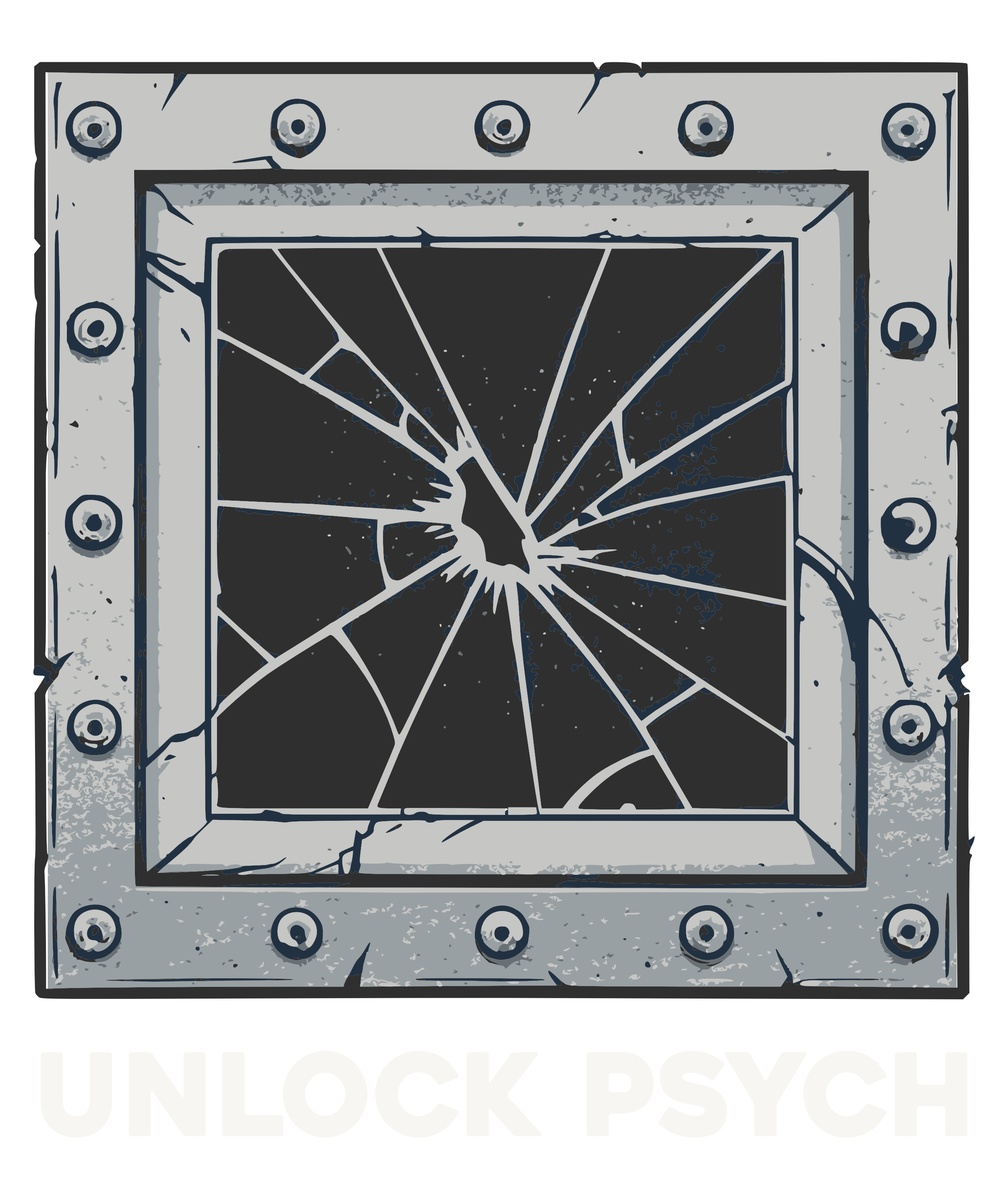
Night after night, I still wake up sweating, heart racing, gasping for air. The nightmares take me right back inside the psych ward. The doors slam shut. The keys jingle. I hear voices shouting, restraints pulling tight, the feeling of being watched. Even years later, I live with psych ward nightmares and flashbacks, the kind that keep you from ever really feeling safe.
These dreams aren’t just dreams — they’re trauma responses, the brain’s way of replaying what it couldn’t process in the moment. What happened to me in psychiatric hospitalization didn’t end when I walked out the doors. It followed me home, into my sleep, into my body, into the way I move through the world.
Triggers That Bring Me Back
A simple sound — the beeping of hospital equipment, the slam of a door, the squeak of sneakers on linoleum — can drag me straight back into that locked ward. Sometimes even the smell of disinfectant makes my chest tighten.
It’s exhausting to live in a body that doesn’t know the difference between the past and the present. Trauma flashbacks make me feel like I never left. And every trigger is a reminder of the powerlessness I felt there, when my voice and choices were taken away.
Losing Trust in Humanity
What cuts the deepest isn’t just the physical trauma of restraints, the locked doors, or the overmedication — it’s the betrayal. These were people who were supposed to help me, to care for me. Instead, they punished my pain, silenced me, and stripped me of my humanity.
After that, it’s hard to trust anyone. I lost faith in the idea that people in positions of care will actually protect me. I lost hope in systems that claim to heal but instead cause harm. And that loss of trust doesn’t just disappear — it lingers. It shapes how I connect with others, how I reach for help, and how I view the world.
That kind of damage changes everything.
The Silence Thar Follows
When I was discharged, I thought the hardest part was over. But what I didn’t expect was the fear of getting help ever again. The thought of going back into a psych ward fills me with panic. I’d rather suffer in silence than risk being locked away again, restrained again, silenced again.
So I stayed quiet. I carried the weight alone. I know I’m not the only one who has done this — terrified of ever reaching out because the very system that should have supported me left me traumatized.
Finding My Way Forward
Living with psychiatric trauma flashbacks, nightmares, and the fear of reaching out for care is heavy. Some days, it feels impossible. But what I’ve learned is that healing doesn’t happen in isolation. It happens in community, connection, and peer support.
Through groups, through speaking my truth, through hearing others share their stories, I’ve found small cracks of light. I’ve found reminders that even though the system failed me, people — real people who understand — can still stand with me.
My healing is slow. It’s imperfect. But it’s mine.
Final Thoughts
The lasting impact of psychiatric hospital trauma is real. It’s in my nightmares, my flashbacks, my anxiety, and my fear. It’s in my lost trust and lingering wounds. But it’s also in my resilience, in the way I still show up, in the way I continue to seek and create spaces where survivors can be heard, validated, and believed.
If you’ve experienced psych ward nightmares, flashbacks, or the silence that follows — you are not alone. Your pain is real. Your voice matters. And together, we can begin to unlock what was taken from us.
