
I was what they call a “frequent flyer.” My first time being locked up in a psychiatric ward was when I was fifteen years old. It didn’t stop there. For years, I was in and out of those locked units—sometimes for days, sometimes for weeks, sometimes longer. Each stay chipped away at me, not because I was being helped at all, but because I was being hurt in a system that doesn’t care.
I often felt trapped and held captive in a system that showed through action that I was not regarded and that I had no value. It was far from support. It was not the place of healing and recovery that I thought psychiatric hospitals were for people with mental illness before I ever began my journey experiencing them for myself. Far from it.
For some people, it’s one or two stays, maybe more in psychiatric hospitals. For others—like me—it becomes a revolving door. We’re labeled, pathologized, written off.
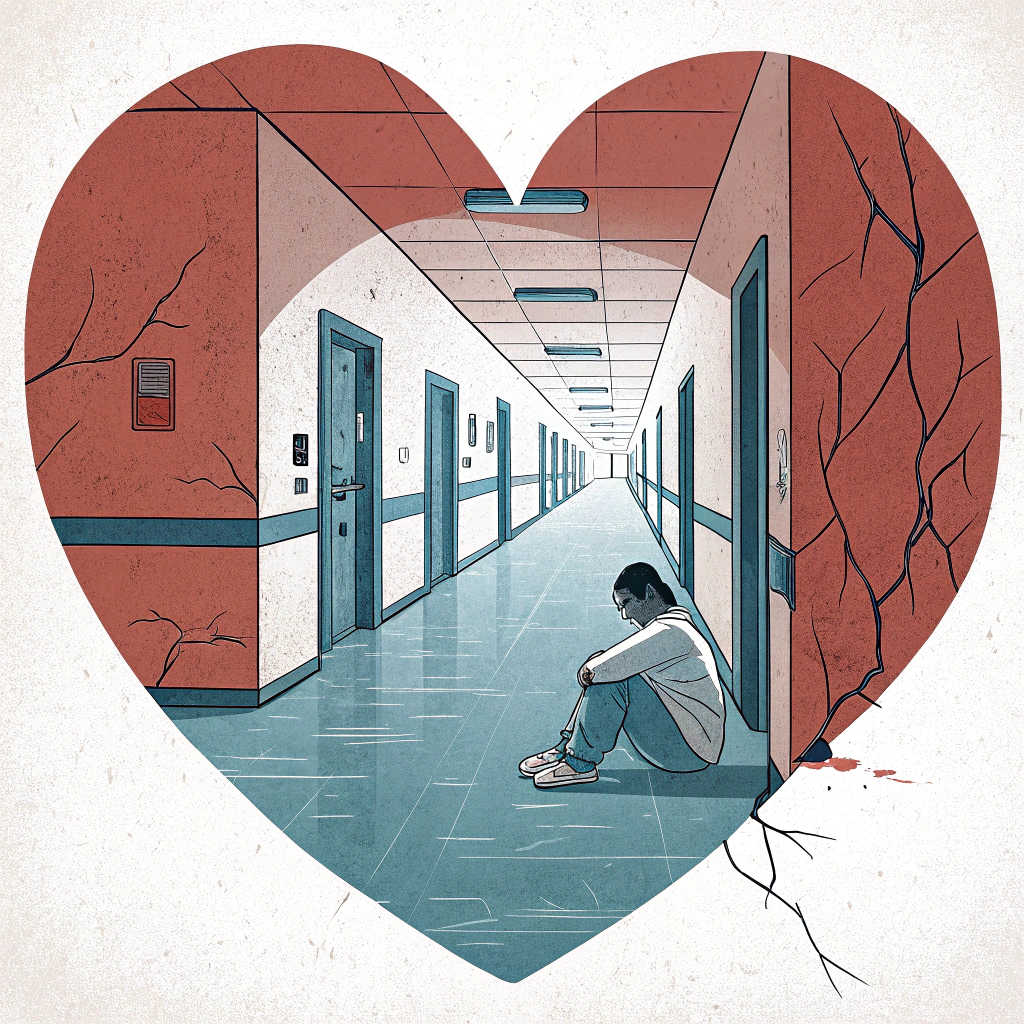
We get passed around from ward to ward like we’re problems to be contained, not people to be understood. The system quickly gives up on us. It is toxic, manipulative, dehumanizing, abusive, and degrading.
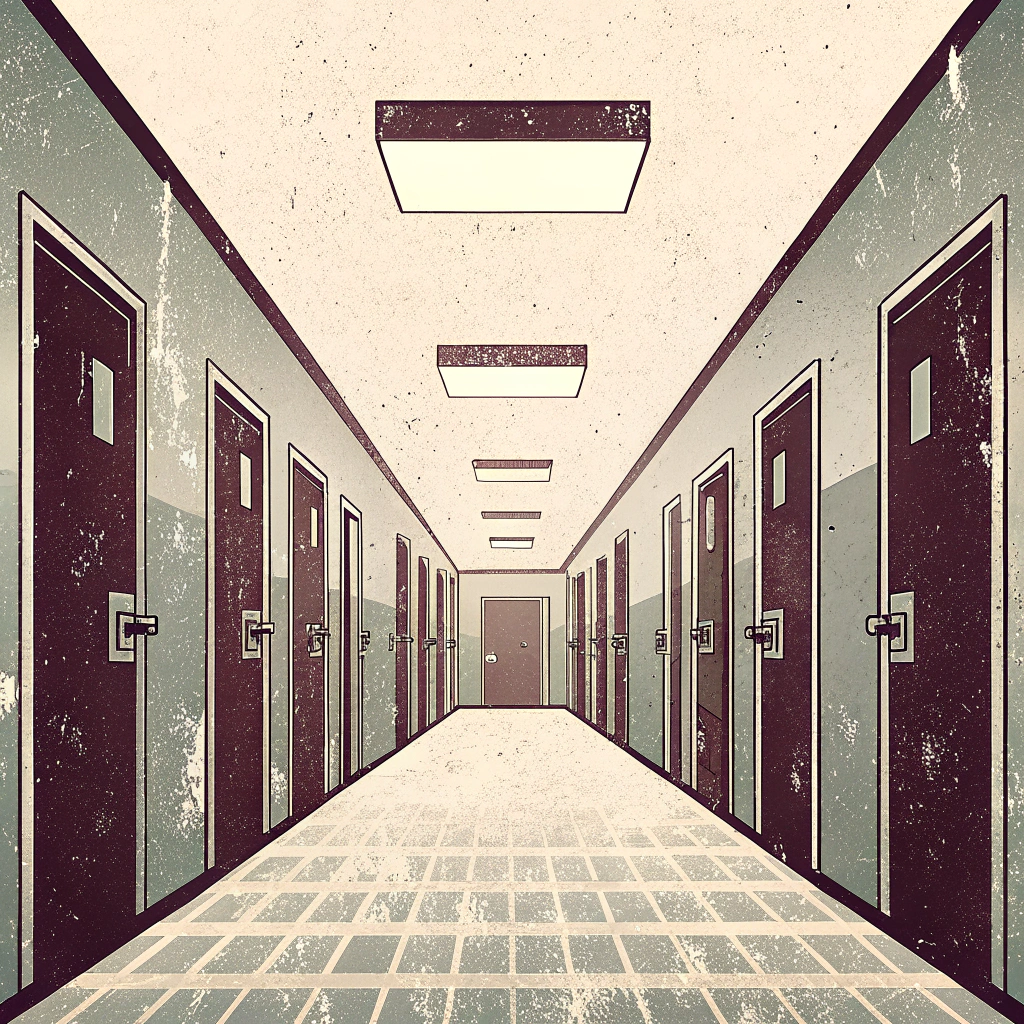
And then there are those who get trapped even further—put on conservatorships or guardianships. I’ve seen it so many times. Before they’re ever sent to long-term facilities, they get stuck in short-term psych wards that have zero therapeutic value. They’re left waiting for months, sometimes years, for a placement.
In the meantime, they’re warehoused in places where abuse is constant—where locked doors, restraints, forced drugs, and cruelty from staff become daily life. These places call themselves “care,” but they are cages. They strip you of dignity, silence your voice, and keep you in limbo.
I lived in constant fear that I would be next. That I would be conserved. That I would lose the little shred of freedom I had left. I saw the terror in the eyes of those around me who were already trapped. I saw people give up hope. I saw people disappear into the system, swallowed whole. And I knew how easily it could have been me.
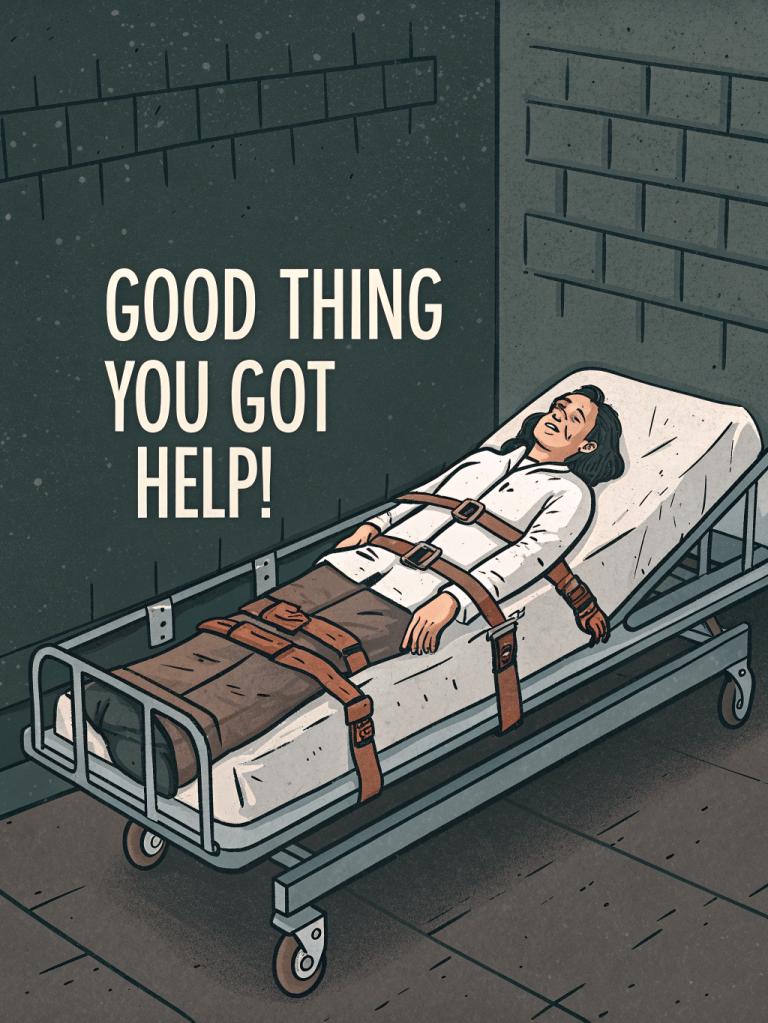
And then comes what might be the most damaging part: when you finally get out. When you finally make it home, safe, trying to piece your life back together after months—or years—of abuse. People in your life look at you and say, “Thank goodness you got help.” Or “At least you got help.”
They say it like congratulations. Like I should be grateful for being locked up. Like I should be thankful for the restraints, the forced drugs, the seclusion rooms, the humiliation, the strip searches, the endless nights of fear. Like I should be proud of having my humanity stripped away.
But I wasn’t helped. I was forced. I was abused. I was silenced. And then, on top of that, I was expected to smile and accept their praise for surviving something I never consented to. That’s the cruelest twist of all: the world tells you to be grateful for your cage.
This is the reality so many of us live. Some of us get out, some of us don’t. Some of us are still in those wards right now, waiting for freedom that may never come. And all the while, society calls it “help.”
But I know the truth. We all do. The cage called care is not care at all.
