
When I read this story, I was deeply moved by the courage and resilience it holds. This is a story of someone who endured years of psychiatric hospitalization, mistreatment, and misunderstanding — yet found a way to reclaim their life, their body, and their sense of self.
What stands out most to me is the journey from feeling like a problem to fix, to discovering that their uniqueness and strangeness are not only valid but worth celebrating. This story reminds us that healing isn’t always found in the system — sometimes it’s found in the spaces we create for ourselves, through self-acceptance, peer support, and the practices that bring us back to life.
I am honored to share this story anonymously, as part of our Survivor Stories series. May it offer hope, validation, and the reminder that no one has to walk this path alone.
The first time I was psychiatrically hospitalized, I was 21 years old, a college student. I went to the student counseling center at my school because I had been struggling with depression/extreme moods, severe anxiety and panic attacks, substance misuse, an eating disorder, and self-injury for years, and my suicidal ideation had become severe. I didn’t know then that I was autistic or that I had Complex PTSD from years of childhood abuse and trauma and later repeated sexual assault. I just knew that I never felt safe, that I didn’t know how to connect with others for support, and that everyone knows that you should go to therapy if you have these types of issues.
In therapy at the student counseling center, I admitted how suicidal I had been, and my therapist recommended a hospital stay at the psychiatric inpatient ward associated with the school’s teaching hospital. She told me, “It will be like summer camp!” Desperate to feel safe and trusting my therapist, I agreed to go.
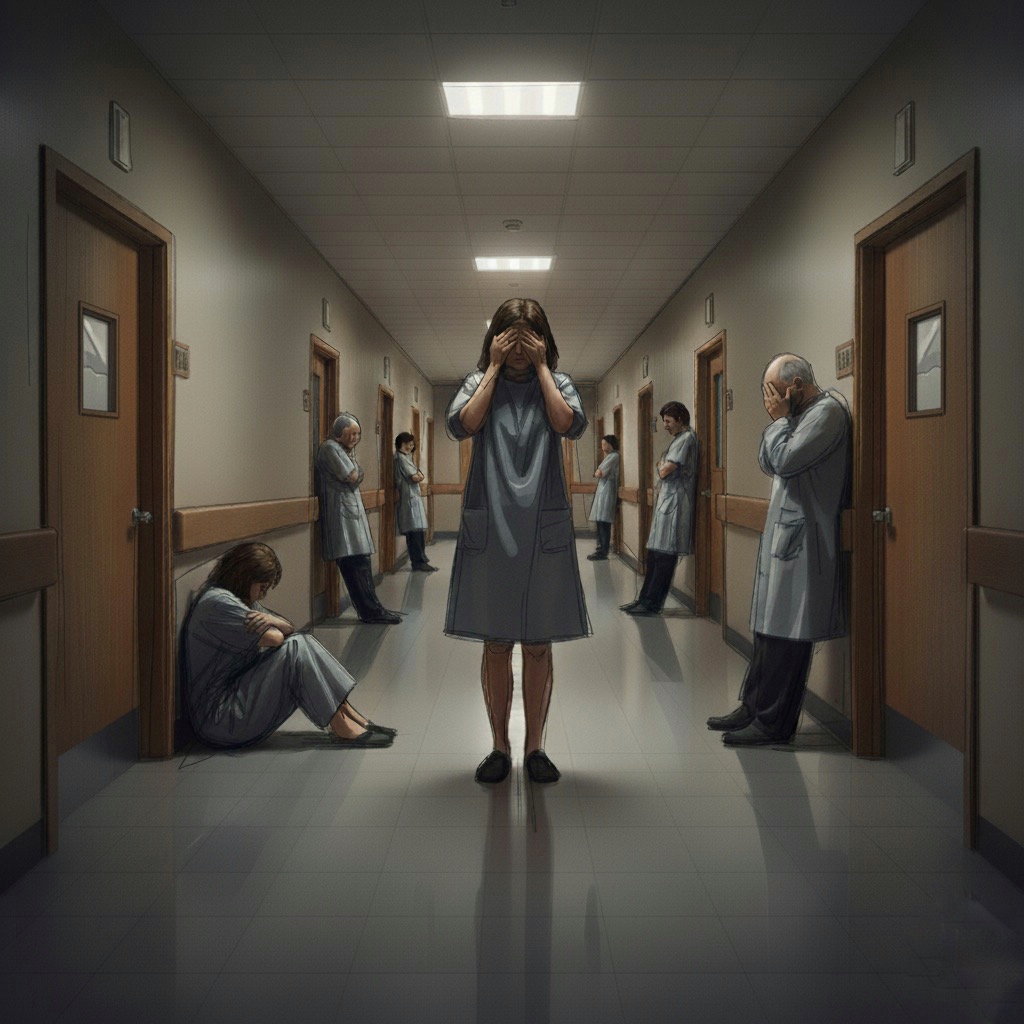
While in the hospital, I received no therapy. It was not like summer camp. I was locked in a 100 ft hallway, where I spent most of the day pacing, eating bland food, and talking with other patients. I was talked down to by staff and given no control over anything. What I was given was medication. A lot of it.
I was given a long list of diagnoses, and prescribed four different heavy psychotropic drugs. Desperate to not feel the way I felt, I agreed to take them. I stayed in the hospital for three weeks and left in a haze of overmedication, which at the time felt like an improvement.
Over the next 10+ years, I would be hospitalized over a dozen more times. I attempted suicide multiple times. I was put on dozens of combinations of different medications, often eight or nine at a time. Many of these gave me terrible side effects. I started having psychotic symptoms from too much medication and was told that it was “my disorder” getting worse. My diagnosis list continued to grow. I was pressured to try electroconvulsive therapy for years, starting at age 22. I never agreed, although there were times I was so desperate I considered it. I was repeatedly told I was “too much” or “too complex.” I was told I didn’t know what was best for myself. I felt worse and worse.
I was restrained and held down and injected with medications against my will for crimes such as crying in a hallway alone. I was locked in quiet rooms for expressing my feelings or being frustrated with the lack of care. I was told that I was “treatment resistant” and would need heavy medication and intensive therapy for the rest of my life. That I would never be able to be “normal.” And that it was all my fault for not trying hard enough. I was seen as an annoying problem to be managed. Sedate it, lock it up, get it off my desk.
I did not find care in the mental health system. I did not find compassion. I did not find connection. Or safety. Or hope. I found cold hallway floors, isolation, lack of understanding, hierarchical power structures that replicated childhood trauma, and more pain, more suffering.
By age 34, I had given up on myself. I hadn’t attempted suicide in years, but I started planning again. I had tried everything; nothing helped. I had gotten sober several years prior (and remain sober today), but it had a minimal impact on my life. Then it occurred to me that I hadn’t tried nothing. I hadn’t tried no meds, no treatment programs, no therapy.
At the time, I was taking nine psychiatric medications and several other pills for side effects of the medications. It took me 1.5 years of absolute hell to slowly taper off all of them. I was constantly sick, lost 30% of my body weight, and 50% of my hair. I had no support. I did it alone. I assumed I would kill myself once it was over, but I had started a project and wanted to see it through before I made that choice.
Eventually, I slowly started to feel better. Without the medication clouding my mind and exhausting my energy, I was able to get a better job and started finding hobbies I enjoyed. I was able to interact with others more effectively since I wasn’t sedated and fuzzy. I began building a life.
I now rely on peer support and my chosen family, and my personal wellness practices such as yoga, meditation, spending time in nature, and journaling. I’ve found value in reading, traveling, and being creative. I’ve found meaning in being of service to others and advocating for causes that are important to me. I’ve recovered from my eating disorder after 25 years of suffering. Learning about autism and finding autistic community has helped me understand and accommodate my needs.
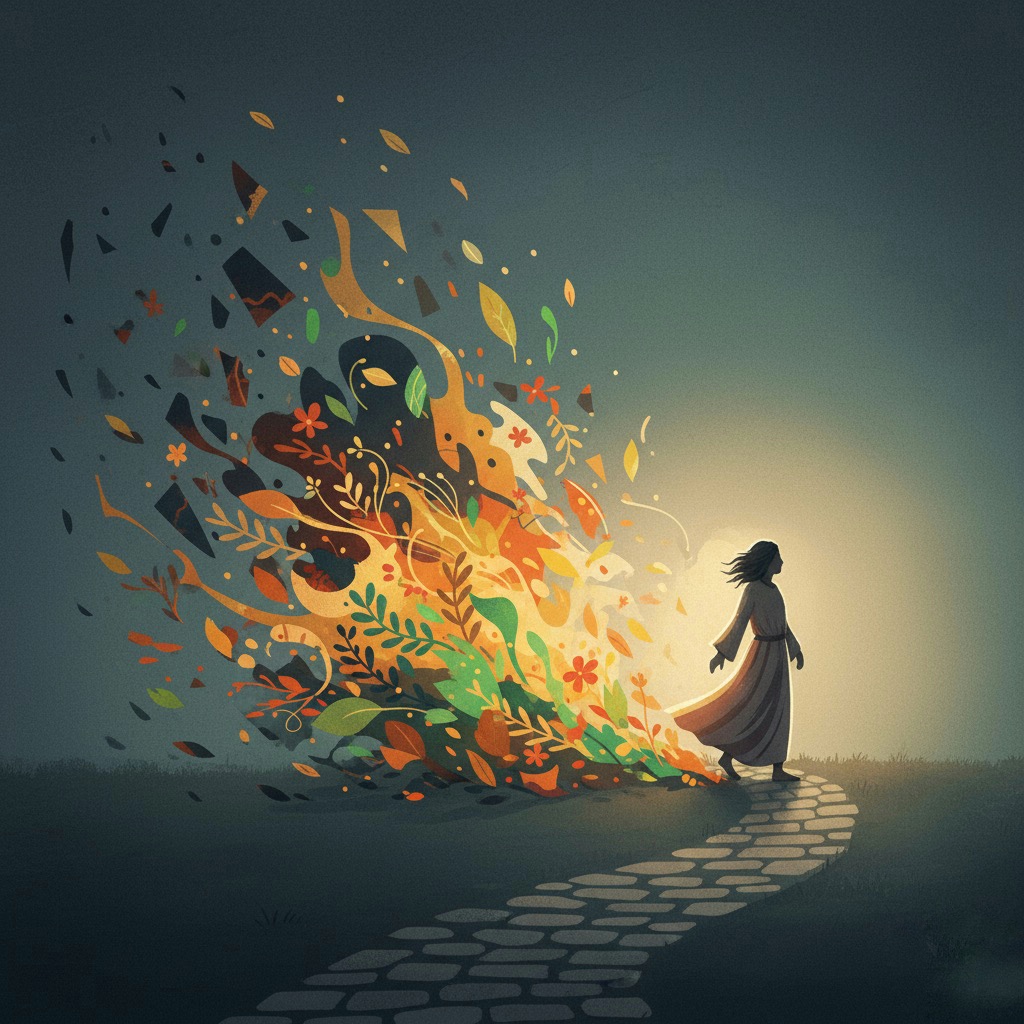
But most importantly, I stopped seeing my strangeness as a problem to fix. I stopped running from my oddness and inability to assimilate and started running directly toward it.
I have now (as of writing this) been off medication and out of all clinical treatment for almost three years. While I still have times of struggle and pain, I have been able to create a life for myself that I value and that is actually worth living — something I never had or could even imagine in all those years in “treatment.”
— Anonymous
